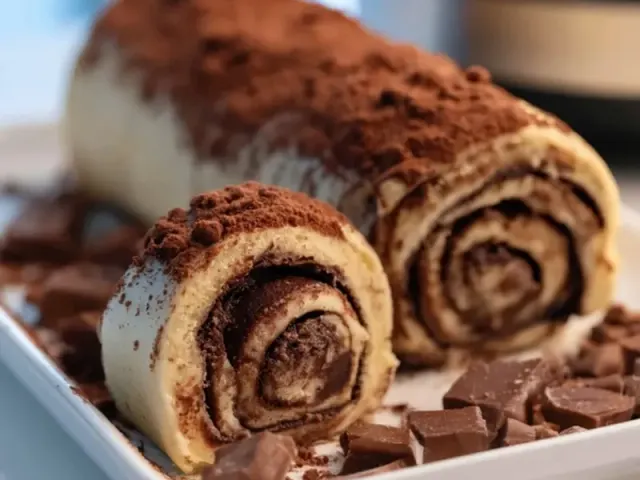
Chocolate Sweet Rolls: You've Been Doing It Wrong
The first time I tried making chocolate sweet rolls over a campfire, I ended up with a pan of charcoal briquettes that used to be dough. The bottoms were black, the tops were raw, and the chocolate had turned into bitter little rocks. I was doing it wrong. Most people do.

The problem is simple: direct heat. That campfire grate or those glowing coals are far hotter than your home oven. The bottom of your pan hits 500°F while the top barely sees 200°F. The result is predictable — burnt bottoms, uncooked centers, and disappointment.
The Fix: Indirect Heat from Both Sides
The technique that changed everything for me is treating the campfire like a tiny oven. You need heat coming from above and below, but neither source should be direct. Here is how to set it up.
First, let your fire burn down to coals. No flames. Rake a flat bed of coals about the size of your cooking vessel. Then, start a second pile of coals off to the side — these will go on the lid. If you are using a camp stove, you need a heat diffuser (a simple steel plate works) and a low flame. You will not get the same top heat, so you will need to flip the rolls halfway through.
For a Dutch oven, the ratio is roughly 1/3 of the coals underneath and 2/3 on top. For a standard 12-inch oven, that means about 6-8 coals below and 12-14 on the lid. This creates an oven temperature around 350°F. The coals on top brown the rolls beautifully without burning the bottom.
If you do not have a Dutch oven, foil packets work surprisingly well. The trick is to create a small air gap. Place the rolls on a piece of greased heavy-duty foil, then fold it into a loose packet with a dome of air space above the rolls. Place the packet on a grate over low coals. After 10 minutes, flip the packet carefully and cook another 8-10 minutes. The air gap prevents direct contact with the hot metal.
The Dough: Sturdy Enough for the Fire
Campfire dough needs to be a little sturdier than your home recipe. Too much butter or sugar in the dough itself will cause it to burn before the inside cooks. I use a simple baking powder biscuit dough — no yeast, no rising time. It is forgiving, quick, and holds up to the heat.
The key is not to overwork it. Mix until it just comes together, then pat or roll it out. Over-kneading makes the rolls tough, and tough dough does not absorb the chocolate caramel sauce as well.
For the filling, use mini chocolate chips or finely chopped chocolate. Big chunks take too long to melt and will scorch before they soften. I also add a tablespoon of cocoa powder to the brown sugar filling for deeper flavor without extra sugar that burns.
The Cream Trick That Saves Everything
Here is the specific trick I have not seen elsewhere: pour a few tablespoons of heavy cream over the rolls just before you put the lid on. The cream pools in the bottom of the pan and steams up through the rolls as they cook. This does two things. First, it keeps the bottoms moist, preventing that burnt-on crust. Second, it mixes with the melted brown sugar and chocolate to create a caramel-like sauce that coats every bite.
Do not skip this. Water will work in a pinch, but cream adds richness and prevents the sugar from crystallizing into a hard, gritty layer. If you are dairy-free, use full-fat coconut cream — it has enough fat to do the same job.
Common Mistakes and How to Avoid Them
Mistake 1: Putting the pan directly on the grate over flames. The flames lick the bottom and sides, scorching everything. Always use coals, not flames, and always use a grate or a layer of foil between the pan and the heat source.
Mistake 2: Not rotating the pan. Campfires have hot spots. Rotate the Dutch oven or foil packet a quarter turn every 5-6 minutes. This evens out the heat and prevents one side from burning while the other stays pale.
Mistake 3: Peeking too often. Every time you lift the lid, you lose heat and steam. Resist the urge. Set a timer for 18 minutes and do not open until it goes off. If the tops are not golden at 18 minutes, give it 3 more minutes and check again.
Mistake 4: Using too much chocolate. I know, it sounds wrong. But a thick layer of chocolate chips creates a barrier that insulates the dough underneath. The chocolate melts and then burns before the dough has a chance to cook. Stick to a single layer of chips, about 1/3 cup for 8 rolls.
Adapting for Weather and Conditions
On a windy day, the fire will burn hotter and less evenly. Build a windbreak with rocks or a log. You will also need more coals — add 2-3 extra to both top and bottom to compensate for heat lost to the wind.
In cold weather, the pan loses heat faster. Preheat the Dutch oven or foil packet near the fire for a few minutes before adding the rolls. This gives them a head start.
If you are cooking with kids, let them help shape the rolls and sprinkle the chocolate. But keep them back from the coals. The Dutch oven gets extremely hot — use heavy leather gloves or dedicated oven mitts to handle it.
One final safety note: never use a camp stove or propane heater inside a tent. Carbon monoxide is invisible and deadly. Cook outside, enjoy the fresh air, and let the smell of chocolate and caramel drift through the campsite.
The Takeaway
Chocolate sweet rolls over a campfire are not difficult. They just need a different approach than your home oven. Indirect heat, a little cream, and patience with the coals. That is the whole secret. The next time someone tells you campfire baking is impossible, hand them a warm, gooey roll and watch them change their mind.
Frequently Asked Questions
Can I use pre-made cinnamon rolls for this?
Yes, but check the ingredient list. Some pre-made rolls have fillings that burn quickly. If using pre-made, skip the extra chocolate and reduce cook time by 2-3 minutes. The trick is still the same: no direct flame.
What if I don't have a Dutch oven?
A heavy cast iron skillet with a tight-fitting lid works, but you need to pile coals on top. A DIY foil dome works too. The key is indirect heat from above and below, not just from the bottom.
How do I keep the rolls from sticking?
Generously butter or oil the pan, and line the bottom with parchment paper if you have it. For foil packets, grease the foil well. Let the rolls cool for 5 minutes before trying to remove them.
Chocolate Sweet Rolls: You've Been Doing It Wrong

Campfire chocolate sweet rolls that are gooey inside, not burnt on the bottom. This method uses indirect heat and a simple foil or Dutch oven setup for perfect results every time.
- 2 cups all-purpose flour
- 2 tablespoons granulated sugar
- 1 tablespoon baking powder
- 1/2 teaspoon salt
- 3 tablespoons cold butter (cut into small pieces)
- 3/4 cup milk (plus 2 tablespoons if needed)
- 1/4 cup unsalted butter (softened, for filling)
- 1/3 cup brown sugar (packed)
- 1/2 cup mini chocolate chips (or chopped dark chocolate)
- 1 teaspoon vanilla extract
- 1/4 cup heavy cream (for pouring over rolls before cooking)
- Prepare your campfire or camp stove: you need a bed of hot coals (not flames) and a second pile of coals for the top. If using a camp stove, plan to use a low flame and a heat diffuser.
- Make the dough: In a bowl, whisk flour, sugar, baking powder, and salt. Cut in cold butter until mixture resembles coarse crumbs. Add milk and stir just until a soft dough forms. Turn onto a floured surface and knead 8-10 times.
- Roll dough into a 9x12 inch rectangle, about 1/4 inch thick. Spread softened butter over the dough, then sprinkle brown sugar, chocolate chips, and vanilla. Roll tightly from the long side, pinch the seam, and cut into 8 equal rolls.
- Prepare your cooking vessel: For a Dutch oven, butter the bottom and sides. For foil packets, grease a 12x12 inch piece of heavy-duty foil. Place rolls in the vessel, cut side up, with a little space between them. Pour heavy cream over the rolls.
- Cook with indirect heat: For a Dutch oven, place 6-8 hot coals underneath and 12-14 on the lid. For foil packets, place on a grate over low coals. Do NOT place directly in flames. Cook for 18-22 minutes, rotating once or twice. Check at 18 minutes: the tops should be golden and the center should be set but still soft.
- Remove from heat and let rest 5 minutes. The cream will thicken into a caramel-like sauce as it cools. Serve warm, scraping up any caramel from the bottom of the pan.
Recipe: Chocolate Sweet Rolls: You've Been Doing It Wrong
Ingredients
- 2 cups all-purpose flour
- 2 tablespoons granulated sugar
- 1 tablespoon baking powder
- 1/2 teaspoon salt
- 3 tablespoons cold butter (cut into small pieces)
- 3/4 cup milk (plus 2 tablespoons if needed)
- 1/4 cup unsalted butter (softened, for filling)
- 1/3 cup brown sugar (packed)
- 1/2 cup mini chocolate chips (or chopped dark chocolate)
- 1 teaspoon vanilla extract
- 1/4 cup heavy cream (for pouring over rolls before cooking)
Instructions
- Prepare your campfire or camp stove: you need a bed of hot coals (not flames) and a second pile of coals for the top. If using a camp stove, plan to use a low flame and a heat diffuser.
- Make the dough: In a bowl, whisk flour, sugar, baking powder, and salt. Cut in cold butter until mixture resembles coarse crumbs. Add milk and stir just until a soft dough forms. Turn onto a floured surface and knead 8-10 times.
- Roll dough into a 9x12 inch rectangle, about 1/4 inch thick. Spread softened butter over the dough, then sprinkle brown sugar, chocolate chips, and vanilla. Roll tightly from the long side, pinch the seam, and cut into 8 equal rolls.
- Prepare your cooking vessel: For a Dutch oven, butter the bottom and sides. For foil packets, grease a 12x12 inch piece of heavy-duty foil. Place rolls in the vessel, cut side up, with a little space between them. Pour heavy cream over the rolls.
- Cook with indirect heat: For a Dutch oven, place 6-8 hot coals underneath and 12-14 on the lid. For foil packets, place on a grate over low coals. Do NOT place directly in flames. Cook for 18-22 minutes, rotating once or twice. Check at 18 minutes: the tops should be golden and the center should be set but still soft.
- Remove from heat and let rest 5 minutes. The cream will thicken into a caramel-like sauce as it cools. Serve warm, scraping up any caramel from the bottom of the pan.