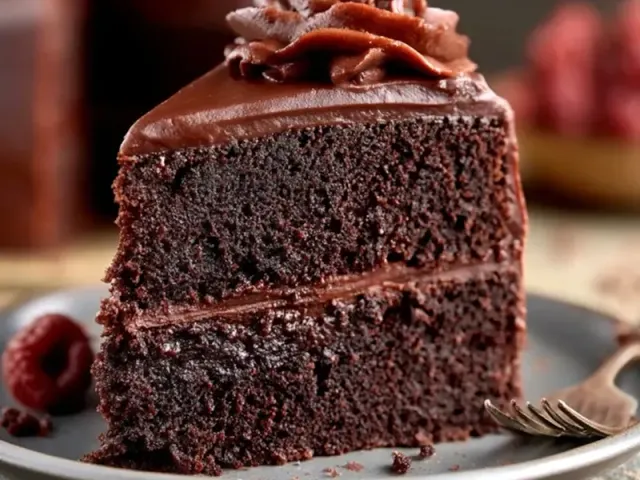
Chocolate Fudge Cake: The Secret Revealed
There's a moment when the lid comes off a Dutch oven after baking over coals. Steam curls up, carrying the scent of melted chocolate and warm butter. That first slice, soft and dark, with a center that barely holds its shape—that's the fudge cake I've been chasing for years.

The secret isn't a fancy ingredient or a complicated technique. It's a piece of parchment paper. I'll show you exactly how it works.
Why Most Campfire Cakes Turn Out Dry
The problem with baking over a fire is uneven heat. The bottom of the pot gets direct heat from the coals, while the top only gets indirect heat from the lid. By the time the top is set, the bottom is often overbaked and dry. Traditional recipes compensate with extra fat or liquid, but that can make the cake greasy or heavy.
My solution: a second layer of parchment placed directly on top of the batter, under the lid. This traps steam rising from the batter, creating a humid microclimate inside the pot. The steam gently cooks the top of the cake, keeping it moist while the bottom bakes through. No greasy spots. No dry edges.
Getting the Fire Right
You need a bed of coals, not roaring flames. Start your fire about 45 minutes before you plan to bake. Use hardwood if possible—it burns longer and produces more consistent coals. Once the flames die down and you have a thick layer of glowing embers, rake them into a flat bed.
For a standard 12-inch Dutch oven, you'll need about 18 to 20 coals total. The ratio matters: 6 underneath, 12 on top. This directs more heat to the lid, which mimics the top-down heat of a conventional oven. If you're baking at higher altitude or in cold weather, add 2 to 3 extra coals on top.
Always rotate the oven a quarter turn every 10 minutes. This prevents hot spots from forming. I use a metal lid lifter to nudge the oven, but heavy leather gloves work too.
The Batter: Simple and Foolproof
This is a one-bowl recipe. No electric mixer, no sifting flour into a separate bowl. Melt the butter and chocolate together—I do this in a small pot set directly on the grate over low coals. Stir constantly. Once it's smooth, pull it off the heat and stir in the sugar. Let it cool for a couple minutes before adding the eggs, or they'll scramble.
Whisk the eggs in one at a time. The batter will look glossy and almost too liquid. That's fine. Fold in the flour, cocoa, and salt gently. Stop as soon as you don't see streaks of flour. Overmixing activates gluten, and you'll end up with a tough cake instead of a tender, fudgy one.
The Parchment Trick (This Is the Secret)
Cut two circles of parchment paper. One goes on the bottom of the Dutch oven, trimmed to fit. The second circle goes directly on top of the batter, right before you put the lid on. Make sure it's large enough to cover the entire surface, touching the batter all over.
As the cake bakes, steam rises from the batter and gets trapped under the parchment. That steam keeps the top surface moist and soft. Without it, the top would dry out and form a crust before the center is done. The parchment also prevents the lid from sticking to the cake if it rises too much.
When you lift the lid after baking, you'll see the parchment sitting on top of a perfectly moist cake. Peel it off carefully—it will be hot and steamy.
Testing for Doneness (Without an Oven Thermometer)
After 35 minutes, lift the lid (watch for steam) and gently press the center of the cake with a clean finger. It should feel set at the edges and slightly soft in the middle. Insert a skewer or a clean twig into the center. If it comes out with a few moist crumbs clinging to it, the cake is done. If it's wet batter, put the lid back on and give it 5 more minutes.
Let the cake rest for 10 minutes after you pull it off the coals. This allows the internal structure to set. Serve it warm, right from the pot. A scoop of vanilla ice cream or a drizzle of cream on top is fine, but honestly, this cake doesn't need anything.
A Note on Safety
Hot coals stay hot for hours. When you're done baking, spread the coals out on the fire ring and let them cool completely before leaving the site. Never pour water on hot cast iron—it can crack. Let the Dutch oven cool slowly, then wipe it clean with a paper towel. If food sticks, scrub with coarse salt and a little water, then dry it over low heat and rub a thin layer of oil inside.
Store leftover cake in a sealed container at camp. In warm weather, eat it within a day. In cool weather, it keeps for two days—if it lasts that long.
Takeaway
The secret to a campfire chocolate fudge cake that's moist all the way through is that second piece of parchment under the lid. It's a small step, but it changes everything. Next time you build a fire, bring a roll of parchment in your camp kitchen. You'll see what I mean.
Frequently Asked Questions
Why does my chocolate fudge cake turn out dry over a campfire?
The most common mistake is too much heat from below. You need a moderate, steady temperature—about 350°F (175°C). Use fewer coals under the Dutch oven and more on top. For a 12-inch oven, start with 6 coals underneath and 12 on the lid. Check after 30 minutes and adjust.
Can I make chocolate fudge cake without a Dutch oven?
Yes. You can use a heavy-gauge aluminum pot with a tight-fitting lid, or even a foil packet method for individual servings. Just line a foil packet with parchment, pour in the batter, seal tightly, and place on a grate over medium coals for about 20 minutes.
How do I know when the cake is done without an oven thermometer?
Insert a clean twig or skewer into the center. If it comes out with a few moist crumbs, it's done. If it's wet batter, give it 5 more minutes. The edges should pull away slightly from the pot.
What if I only have a camp stove?
Use a camp stove with a diffuser plate (or a thick skillet under the Dutch oven) to prevent direct heat scorching. Set the stove to low-medium and rotate the pot a quarter turn every 10 minutes. The lid still needs heat from above—you can place a few hot coals on top if you have a fire, or use a second stove with a pan on top to radiate heat downward.
Chocolate Fudge Cake: The Secret Revealed

This campfire chocolate fudge cake uses a simple one-bowl batter and bakes in a Dutch oven over coals. The secret is a double layer of parchment under the lid to trap steam, creating an ultra-moist, fudgy crumb without an oven.
- 1 cup unsalted butter (2 sticks) (cubed)
- 1 cup semi-sweet chocolate chips (or chopped chocolate bar)
- 1 cup granulated sugar
- 3 large eggs (room temperature)
- 1 teaspoon vanilla extract
- 1/2 cup all-purpose flour
- 1/4 cup unsweetened cocoa powder (sifted)
- 1/4 teaspoon salt
- Light a campfire and let it burn down to a bed of hot coals. You'll need about 18-20 coals total for a 12-inch Dutch oven.
- Line the Dutch oven with a circle of parchment paper. Cut a second parchment circle the same size as the lid.
- In a medium pot or a heatproof bowl set over simmering water (or directly on a grate over low coals), melt the butter and chocolate together, stirring until smooth. Remove from heat.
- Stir in the sugar until dissolved. Let cool for 2 minutes.
- Whisk in the eggs one at a time, then add the vanilla. The batter will look glossy.
- In a small bowl, whisk together the flour, cocoa powder, and salt. Fold into the wet mixture until just combined—do not overmix.
- Pour the batter into the prepared Dutch oven. Place the second parchment circle directly on top of the batter (this traps steam and creates the fudgy texture).
- Put the lid on the Dutch oven. Arrange 6 hot coals underneath the oven and 12 coals on top of the lid, spaced evenly.
- Bake for 35-40 minutes, rotating the oven a quarter turn every 10 minutes for even heat. The cake is done when the edges are set and the center is just slightly jiggly—a skewer inserted should come out with moist crumbs.
- Carefully remove the Dutch oven from the coals. Let the cake rest, lid on, for 10 minutes. Remove the lid and top parchment, then invert onto a plate or serve directly from the pot. The cake will continue to set as it cools.
Recipe: Chocolate Fudge Cake: The Secret Revealed
Ingredients
- 1 cup unsalted butter (2 sticks) (cubed)
- 1 cup semi-sweet chocolate chips (or chopped chocolate bar)
- 1 cup granulated sugar
- 3 large eggs (room temperature)
- 1 teaspoon vanilla extract
- 1/2 cup all-purpose flour
- 1/4 cup unsweetened cocoa powder (sifted)
- 1/4 teaspoon salt
Instructions
- Light a campfire and let it burn down to a bed of hot coals. You'll need about 18-20 coals total for a 12-inch Dutch oven.
- Line the Dutch oven with a circle of parchment paper. Cut a second parchment circle the same size as the lid.
- In a medium pot or a heatproof bowl set over simmering water (or directly on a grate over low coals), melt the butter and chocolate together, stirring until smooth. Remove from heat.
- Stir in the sugar until dissolved. Let cool for 2 minutes.
- Whisk in the eggs one at a time, then add the vanilla. The batter will look glossy.
- In a small bowl, whisk together the flour, cocoa powder, and salt. Fold into the wet mixture until just combined—do not overmix.
- Pour the batter into the prepared Dutch oven. Place the second parchment circle directly on top of the batter (this traps steam and creates the fudgy texture).
- Put the lid on the Dutch oven. Arrange 6 hot coals underneath the oven and 12 coals on top of the lid, spaced evenly.
- Bake for 35-40 minutes, rotating the oven a quarter turn every 10 minutes for even heat. The cake is done when the edges are set and the center is just slightly jiggly—a skewer inserted should come out with moist crumbs.
- Carefully remove the Dutch oven from the coals. Let the cake rest, lid on, for 10 minutes. Remove the lid and top parchment, then invert onto a plate or serve directly from the pot. The cake will continue to set as it cools.