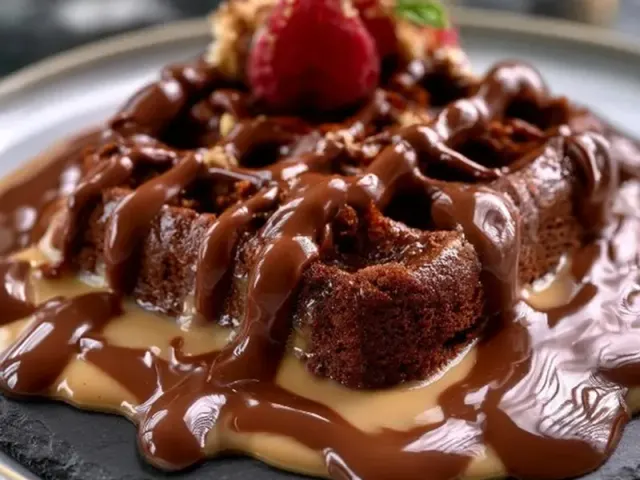
Chocolate Dessert Waffles: You've Been Doing It Wrong
The smell of chocolate batter hitting a hot cast iron waffle iron is one of those camp cooking moments that feels like pure magic. But if your waffles come out dry, burnt on the outside and raw in the middle, or stuck to the iron in a crumbled mess, you're not alone. I've been there. The problem isn't the chocolate. It's the technique.

The One Mistake That Ruins Chocolate Waffles on a Camp Stove
Most people treat chocolate waffle batter exactly like plain waffle batter. That's the mistake. Cocoa powder is dry and absorbs moisture differently than flour. If you mix the batter the same way—dumping everything together and whisking fast—you end up with a gummy, uneven texture. The cocoa clumps, and those clumps never fully hydrate, leaving bitter pockets of raw powder in the finished waffle. The fix is simple: sift the cocoa powder into the dry ingredients before adding any liquid. And I mean really sift it. A fine-mesh strainer works. Tap it gently over the bowl and watch the cocoa fall through like dark snow. This one step changes everything.
Why Your Camp Stove Heat Setting Matters More Than You Think
Camp stoves are powerful. They don't regulate heat as evenly as a kitchen range. When you crank the burner to high to speed things up, the outside of the waffle burns before the center sets. The sugar in chocolate batter caramelizes fast—faster than plain batter. I set my stove to medium-low and let the waffle iron preheat for a full five minutes. That slow, steady heat gives the batter time to cook through without scorching. If you hear sizzling that sounds aggressive, your heat is too high. Back it off. A well-cooked chocolate waffle should hiss gently, not roar.
Weather and Wind Considerations
Wind is the enemy of even camp stove cooking. A gust can push the flame to one side, creating a hot spot on your waffle iron. I set up a simple windbreak—a folded piece of aluminum foil or a small cooler placed on the windward side. This keeps the flame steady and the waffle iron temperature consistent. On cold mornings, I give the iron an extra minute of preheat because the cold air pulls heat away faster.
The Fat Ratio That Makes or Breaks a Dessert Waffle
Dessert waffles need more fat than breakfast waffles. Cocoa powder adds bitterness, and fat balances that out while keeping the crumb tender. I use a third of a cup of melted butter for every one and a half cups of flour. That's about double what you'd use in a standard waffle. If you're using a boxed mix, add an extra tablespoon of oil or melted butter to the batter. The fat also helps the waffle release from the iron—a critical detail when you're cooking over a camp stove and can't afford a stuck, torn waffle.
How to Keep Your Waffle Iron From Turning Into a Sticky Mess
Cast iron waffle irons need to be seasoned and hot before the batter hits the grids. Even then, I brush a thin layer of oil between every batch. Not a pool of oil—just a light coat using a silicone brush or a paper towel held with tongs. This prevents the sugar in the chocolate from bonding to the iron. If you skip this step, the second or third waffle will stick, and you'll spend ten minutes scraping burnt batter out of the crevices. That's not a relaxing campfire moment.
The Visual Cue That Tells You It's Done
Timers are unreliable on a camp stove. Batter thickness, ambient temperature, and wind all affect cook time. Instead of watching the clock, watch the steam. When the waffle is nearly done, a steady plume of steam rises from the gap between the iron halves. When that steam thins to almost nothing, the waffle is ready. This works every time, regardless of conditions. I close the lid and wait. No peeking. Peeling the lid open too early tears the waffle apart because the structure hasn't set.
Adapting for Kids and Picky Eaters
If you're cooking for kids who prefer a milder chocolate flavor, reduce the cocoa powder to a third of a cup and increase the flour by the same amount. The waffles will be less intense but still sweet enough for dessert. For a fun twist, I press a few mini marshmallows into the batter just before closing the lid. They melt into gooey pockets that kids love. Just watch the heat—marshmallows burn fast if the iron is too hot.
Safety Note: Cooking With Chocolate Over an Open Flame
Chocolate batter contains sugar, and sugar burns. Keep a small spray bottle of water nearby in case of flare-ups. Never leave a hot waffle iron unattended on a camp stove. When you're done, let the iron cool completely before cleaning. Wipe it with a paper towel, then rub a thin layer of oil over the grids to prevent rust. Store the iron in a dry place—moisture is the enemy of cast iron.
The Takeaway
Chocolate dessert waffles are not hard to get right. The difference between a dry, burnt mess and a crisp, tender waffle comes down to three things: sift the cocoa, control the heat, and watch the steam. That's it. No special gear, no complicated recipes. Just a little patience and the right technique. Your next camp breakfast or dessert is about to get a whole lot better.
Frequently Asked Questions
Why do my chocolate waffles stick to the camp waffle iron?
The most common reason is not preheating the iron long enough or not greasing it properly between each batch. Cast iron needs a full 5-minute preheat on medium-low, and you should brush the grids with a high-smoke-point oil like avocado or coconut oil before every waffle. Also, make sure the batter isn't too thin—thicker batter releases more easily.
Can I use a regular waffle mix for chocolate dessert waffles?
You can, but the texture and sweetness will be off. A dessert waffle needs a higher fat content (melted butter or oil) and a bit more sugar to get that crispy outside and tender inside. Regular mix tends to turn out dry or dense. I always add an extra tablespoon of oil and a tablespoon of sugar to any boxed mix when making dessert waffles.
How do I keep chocolate waffles from burning on a camp stove?
The trick is heat management. Camp stoves run hot, and chocolate batter burns faster than plain batter. I set my stove to medium-low, not medium, and I let the waffle iron preheat for a full 5 minutes before pouring batter. Also, never open the iron to check too early—wait until steam stops rising from the sides. That visual cue tells you the waffle is done.
What's the best chocolate to use for the batter?
I use unsweetened cocoa powder, not melted chocolate bars. Cocoa powder mixes evenly into the dry ingredients and gives a deep chocolate flavor without adding extra moisture that can make the waffle gummy. If you want chocolate chips, fold them in after mixing the batter, but reduce the sugar slightly so the waffle isn't overly sweet.
Chocolate Dessert Waffles: You've Been Doing It Wrong

These camp stove chocolate dessert waffles are crisp on the outside, tender and fudgy on the inside. The key is a two-step mixing method that prevents a dry, crumbly texture—a common mistake that ruins chocolate waffles over a fire.
- 1.5 cups all-purpose flour
- 0.5 cup unsweetened cocoa powder (sifted)
- 0.25 cup granulated sugar
- 2 teaspoons baking powder
- 0.5 teaspoon salt
- 2 large eggs (room temperature)
- 1.75 cups whole milk (or buttermilk)
- 0.33 cup melted butter (cooled slightly)
- 1 teaspoon vanilla extract
- 0.5 cup chocolate chips (optional)
- Light your camp stove and set it to medium-low. Place your cast iron waffle iron on the burner and let it preheat for a full 5 minutes. Do not skip this—a cold iron will make the waffles stick.
- While the iron heats, whisk the flour, sifted cocoa powder, sugar, baking powder, and salt together in a large bowl. Sifting the cocoa is critical: it breaks up clumps that would otherwise create bitter, dry pockets in the waffle.
- In a separate bowl, whisk the eggs, milk, melted butter, and vanilla until smooth. Pour the wet ingredients into the dry and stir gently with a spatula until just combined. A few lumps are fine. Overmixing develops gluten and makes the waffle tough.
- Fold in the chocolate chips if using. The batter should be thick but pourable—if it looks too stiff, add a tablespoon more milk.
- Brush the preheated waffle iron grids with a thin layer of oil (I use avocado oil for its high smoke point). Pour about 1/2 cup of batter into the center of the iron, close the lid, and flip the iron if your model requires it.
- Cook until steam stops rising from the sides of the iron, about 3–4 minutes. Resist the urge to peek early—lifting the lid before the waffle is set will tear it apart.
- Open the iron carefully. Use a fork to lift the waffle out. Transfer to a plate and keep warm in a low oven or a covered dish. Repeat with remaining batter, brushing the iron with oil between each batch.
- Serve warm with a dusting of powdered sugar, a drizzle of melted chocolate, or a scoop of vanilla ice cream. The waffles are best eaten fresh, but they reheat well over a low camp stove flame for 30 seconds per side.
Recipe: Chocolate Dessert Waffles: You've Been Doing It Wrong
Ingredients
- 1.5 cups all-purpose flour
- 0.5 cup unsweetened cocoa powder (sifted)
- 0.25 cup granulated sugar
- 2 teaspoons baking powder
- 0.5 teaspoon salt
- 2 large eggs (room temperature)
- 1.75 cups whole milk (or buttermilk)
- 0.33 cup melted butter (cooled slightly)
- 1 teaspoon vanilla extract
- 0.5 cup chocolate chips (optional)
Instructions
- Light your camp stove and set it to medium-low. Place your cast iron waffle iron on the burner and let it preheat for a full 5 minutes. Do not skip this—a cold iron will make the waffles stick.
- While the iron heats, whisk the flour, sifted cocoa powder, sugar, baking powder, and salt together in a large bowl. Sifting the cocoa is critical: it breaks up clumps that would otherwise create bitter, dry pockets in the waffle.
- In a separate bowl, whisk the eggs, milk, melted butter, and vanilla until smooth. Pour the wet ingredients into the dry and stir gently with a spatula until just combined. A few lumps are fine. Overmixing develops gluten and makes the waffle tough.
- Fold in the chocolate chips if using. The batter should be thick but pourable—if it looks too stiff, add a tablespoon more milk.
- Brush the preheated waffle iron grids with a thin layer of oil (I use avocado oil for its high smoke point). Pour about 1/2 cup of batter into the center of the iron, close the lid, and flip the iron if your model requires it.
- Cook until steam stops rising from the sides of the iron, about 3–4 minutes. Resist the urge to peek early—lifting the lid before the waffle is set will tear it apart.
- Open the iron carefully. Use a fork to lift the waffle out. Transfer to a plate and keep warm in a low oven or a covered dish. Repeat with remaining batter, brushing the iron with oil between each batch.
- Serve warm with a dusting of powdered sugar, a drizzle of melted chocolate, or a scoop of vanilla ice cream. The waffles are best eaten fresh, but they reheat well over a low camp stove flame for 30 seconds per side.