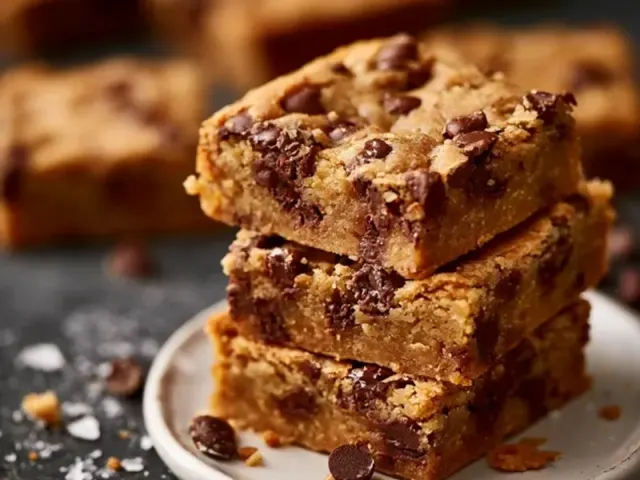
Chocolate Blondie Bars: You've Been Doing It Wrong
The first time I pulled a pan of blondies from the coals, I was met with a dry, crumbly disappointment. The edges were tough, the center tasted like flour, and the chocolate had sunk into a sad layer at the bottom. I had followed every standard recipe to the letter. But camping—with its uneven heat, tight timing, and the temptation to just leave it on a little longer—demands a different approach.

The mistake is almost always the same: overmixing the batter and overcooking the result. We treat blondies like cake, when they should be treated like a dense, chewy candy bar. The fix is simple, and it starts before you even light the fire.
The One Technique That Changes Everything
Here is the trick that most recipes leave out: stop stirring the moment the flour disappears. I mean it. Count to five after the last streak vanishes, then put the spatula down. Overmixing develops gluten, which gives you a tough, bread-like texture. For a tender, melt-in-your-mouth blondie, you want the gluten to barely form. This is especially critical when baking over a campfire, where you already have less control over heat distribution. A tough blondie becomes a hockey puck fast.
Second, and this is where the real magic happens: pull the blondies from the heat when the center still wobbles. In a conventional oven, you might wait until a toothpick comes out clean. Over coals or a camp stove, that toothpick test will leave you with sawdust. The residual heat inside the pan—or the foil packet—will finish cooking the center while you let it rest. Ten minutes of rest is not optional; it is the difference between a gooey bar and a dry one.
Adapting for Wind, Rain, and Hot Spots
Campfire heat is never even. The side facing the wind will cook faster. The bottom of your Dutch oven or skillet will be hotter than the top. Here is how to compensate:
For a Dutch Oven
Place 8 coals underneath and 14 on the lid for a 12-inch oven. Rotate the oven a quarter turn every 8 minutes, and rotate the lid in the opposite direction. This evens out the hot spots. If you see the edges browning too fast, scrape a few coals off the bottom and add two more to the lid. The top heat will help the center set without burning the base.
For a Foil Packet
Foil packets are my go-to when rain is threatening or I want to cook directly on the coals without hauling extra gear. Use heavy-duty foil and fold the edges into a tight, sealed packet. Flatten the batter to an even 1-inch thickness. Place the packet on a bed of hot coals—not flames—and top with a few coals if you have them. Cook 18-22 minutes, flipping the packet halfway through. The steam inside keeps the blondies moist, and the even thickness prevents raw spots.
If the weather is cold or windy, expect the cook time to stretch by 5-10 minutes. Keep a small camp shovel or stick handy to adjust the coals without burning your hands.
The Ingredient That Fights Soggy Bottoms
Here is another trick: use dark chocolate chunks instead of chips. Chips contain stabilizers that keep their shape, which means they often sink or leave hard pockets. Chunks, especially those with a high cocoa content (70% or more), melt into gooey pools that stay suspended in the batter. Fold them in gently with the last few strokes of the spatula, and they will distribute evenly without sinking.
If you are camping with kids, swap the dark chocolate for milk chocolate chunks and add a handful of mini marshmallows to the top during the last 5 minutes of cooking. The marshmallows will puff and brown without burning, and the kids will think you are a magician.
Safety Note for Camp Stove and Dutch Oven Baking
Never leave a camp stove or Dutch oven unattended while baking. The low heat needed for blondies can still cause grease fires if the pan gets knocked over. Keep a small fire extinguisher or a bucket of sand nearby. When using a camp stove indoors or inside a tent, carbon monoxide poisoning is a real risk—always cook outside in a well-ventilated area. Store leftover blondies in a sealed container inside your bear-proof food storage, because the sweet smell will attract wildlife.
The Takeaway
Forget everything you have heard about baking blondies like cake. The secret is a light hand with the mixing and a brave heart when pulling them from the heat early. Let the carryover cooking do the work. You will end up with bars that are crisp at the edges, soft in the middle, and packed with melted chocolate in every bite. That is the blondie you have been chasing.
Frequently Asked Questions
Why are my blondie bars always dry and crumbly?
The most common mistake is overmixing the batter. Once you add the flour, stir only until no dry streaks remain. Overmixing develops gluten, making the bars tough. Also, pull them from the heat when the edges are set but the center still jiggles slightly. Carryover cooking will finish them.
Can I make chocolate blondie bars without an oven?
Absolutely. Use a Dutch oven with coals on top and bottom (about 8 coals on bottom, 14 on top for a 12-inch oven) or a heavy skillet over a camp stove on low heat with a lid. For a campfire, wrap the batter in a foil packet and place it near hot coals, not direct flames, for 20-25 minutes.
How do I keep blondies from burning on the bottom over a campfire?
Use a heat diffuser or raise the cooking vessel off the coals with a grill grate. Rotate the pan or packet every 5 minutes to avoid hot spots. The key is indirect heat—coals should be glowing, not flaming.
Chocolate Blondie Bars: You've Been Doing It Wrong

These chocolate blondie bars are dense, buttery, and studded with dark chocolate chunks. The secret to a gooey center: underbake slightly and let residual heat finish the job. Perfect for camping because they travel well and bake easily in a Dutch oven or foil packet.
- 1/2 cup unsalted butter (melted and slightly cooled)
- 1 cup light brown sugar (packed)
- 1 large egg (room temperature)
- 1 teaspoon vanilla extract
- 1/4 teaspoon salt
- 1 cup all-purpose flour
- 1/2 cup dark chocolate chunks (or chips)
- Prepare your cooking setup: If using a camp stove, preheat a heavy skillet or Dutch oven over low heat. If using a campfire, arrange a bed of hot coals and set a grill grate about 4 inches above them.
- In a medium bowl, whisk together the melted butter and brown sugar until smooth and glossy. Let it cool for 2 minutes so it doesn't scramble the egg.
- Whisk in the egg and vanilla extract until fully combined. The mixture should look thick and shiny.
- Add the salt and flour. Use a spatula to fold gently—stop as soon as you no longer see white streaks. Overmixing ruins the texture.
- Fold in the chocolate chunks. The batter will be very thick—that's correct.
- Line a 8x8-inch foil pan or Dutch oven with parchment paper, or create a foil packet by spooning batter onto a large sheet of heavy-duty foil and folding into a sealed packet.
- Spread batter evenly. For a foil packet, flatten to about 1-inch thick.
- Cook over low heat (camp stove) or near coals (campfire) with a lid or another foil sheet on top. Cook 20-25 minutes for a 8x8 pan, or 18-22 minutes for a foil packet. The edges should be set and golden, the center still slightly jiggly.
- Remove from heat immediately. Let rest in the pan or packet for 10 minutes—this is critical for the gooey center to finish setting without drying out.
- Cut into bars and serve warm. Store leftovers in an airtight container for up to 3 days.
Recipe: Chocolate Blondie Bars: You've Been Doing It Wrong
Ingredients
- 1/2 cup unsalted butter (melted and slightly cooled)
- 1 cup light brown sugar (packed)
- 1 large egg (room temperature)
- 1 teaspoon vanilla extract
- 1/4 teaspoon salt
- 1 cup all-purpose flour
- 1/2 cup dark chocolate chunks (or chips)
Instructions
- Prepare your cooking setup: If using a camp stove, preheat a heavy skillet or Dutch oven over low heat. If using a campfire, arrange a bed of hot coals and set a grill grate about 4 inches above them.
- In a medium bowl, whisk together the melted butter and brown sugar until smooth and glossy. Let it cool for 2 minutes so it doesn't scramble the egg.
- Whisk in the egg and vanilla extract until fully combined. The mixture should look thick and shiny.
- Add the salt and flour. Use a spatula to fold gently—stop as soon as you no longer see white streaks. Overmixing ruins the texture.
- Fold in the chocolate chunks. The batter will be very thick—that's correct.
- Line a 8x8-inch foil pan or Dutch oven with parchment paper, or create a foil packet by spooning batter onto a large sheet of heavy-duty foil and folding into a sealed packet.
- Spread batter evenly. For a foil packet, flatten to about 1-inch thick.
- Cook over low heat (camp stove) or near coals (campfire) with a lid or another foil sheet on top. Cook 20-25 minutes for a 8x8 pan, or 18-22 minutes for a foil packet. The edges should be set and golden, the center still slightly jiggly.
- Remove from heat immediately. Let rest in the pan or packet for 10 minutes—this is critical for the gooey center to finish setting without drying out.
- Cut into bars and serve warm. Store leftovers in an airtight container for up to 3 days.